Biohazard cleanup is a highly specialised service that requires expertise, protective equipment, and a deep understanding of safety and legal protocols. Whether you’re dealing with the aftermath of a death, trauma, crime scene, or contamination event, knowing when to take action (and who to trust) can make all the difference.
This guide explains what biohazard cleanup is, the importance of handling biohazard situations properly, and how to recognise when it’s time to bring in certified professionals like RESTATE.
What Is Biohazard Cleanup?
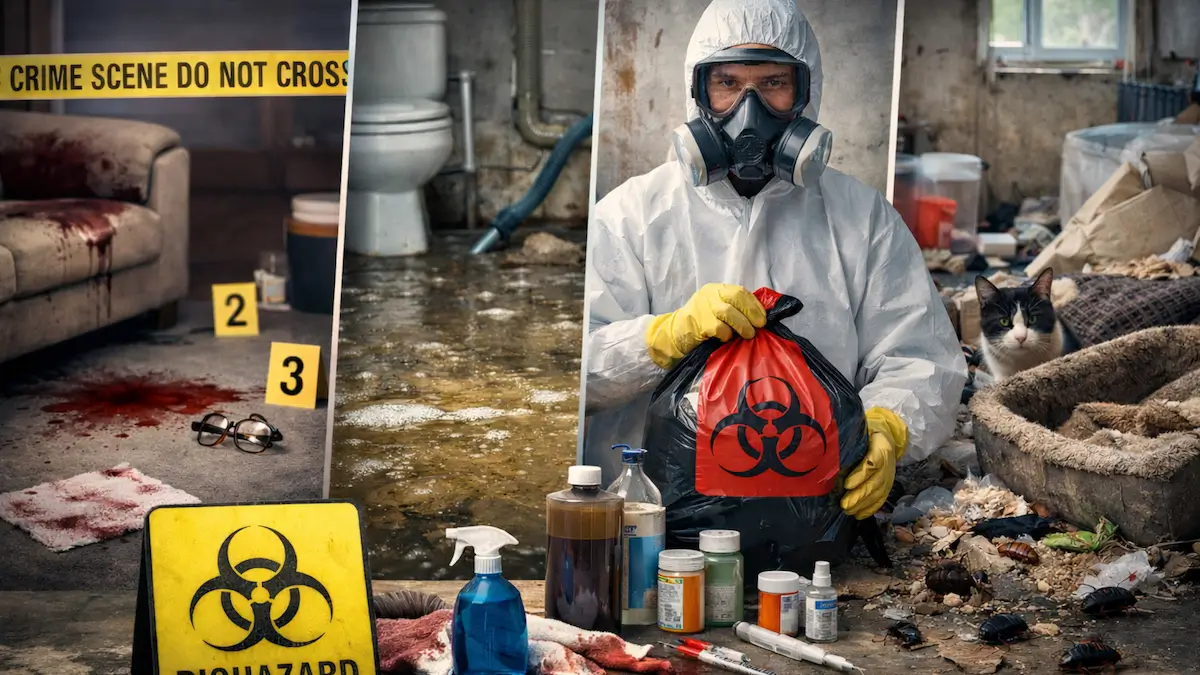
Biohazard cleanup refers to the safe removal and disposal of biological contaminants that pose a risk to human health. This includes bodily fluids, blood, human waste, animal remains, drug paraphernalia, and other materials that can carry pathogens such as HIV, Hepatitis B and C, or harmful bacteria.
Common Biohazard Scenarios:
- Unattended deaths or suicides
- Crime scenes
- Sewage backups
- Trauma scenes or accidents
- Drug-related sites (e.g. meth labs or needle disposals)
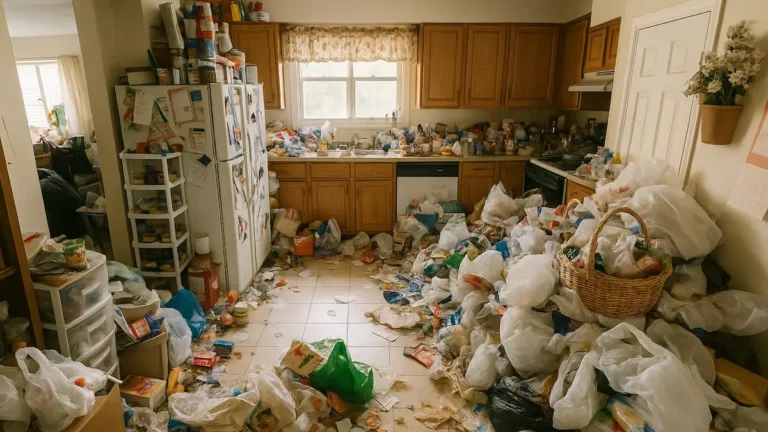
- Animal hoarding or infestations
These environments must be decontaminated carefully, not only to remove visible signs of trauma but to ensure the space is safe for future use.
Why Safety Matters in Biohazard Cleanup
Pathogens from blood or bodily fluids can survive on surfaces for days or even weeks, depending on conditions. Attempting to clean these materials without the correct training and equipment puts you at risk of serious infection.
At RESTATE, we use full personal protective equipment (PPE), hospital-grade disinfectants, and ATP testing to verify cleanliness. Our procedures follow the IICRC S540 Standard for Trauma and Crime Scene Cleanup and comply with all relevant New Zealand guidelines for biohazard waste management.
Understanding the Regulations: NZ Biohazard Cleaning Laws
In New Zealand, the disposal of biohazardous waste is strictly regulated under:
- NZS4304:2002 – Management of Healthcare Waste
- Health and Safety at Work Act 2015
- Ministry of Health and Worksafe guidelines
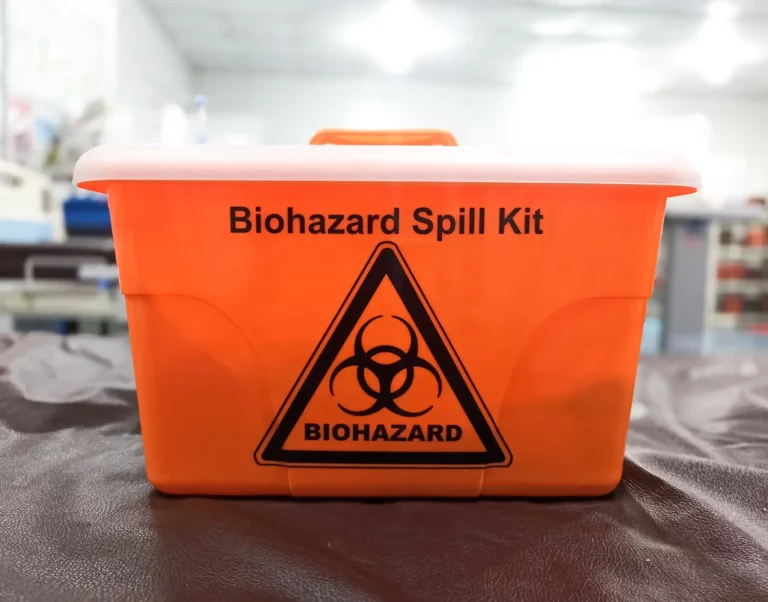
Biohazard waste must be handled, packaged, and transported in approved biohazard waste disposal containers and disposed of through certified channels. Failure to follow these guidelines can result in serious penalties, especially for property managers or businesses.
Biohazard Clean Up After Death: What to Expect
One of the most common reasons people search for biohazard clean up after death is the discovery of an unattended passing. This can be distressing and traumatic for loved ones or property managers. Beyond the emotional toll, decomposition begins quickly, leading to odour, bacteria, and structural damage.
Key Steps We Take:
- Scene assessment and hazard identification
- Isolation of the area to prevent cross-contamination
- Removal of biohazard materials
- Disinfection and deodorisation
- Post-cleanup testing and reporting
Our team approaches these situations with empathy and discretion. We understand the emotional weight and handle everything from start to finish, so you don’t have to.
How Much Does Biohazard Cleaning Cost?
Biohazard cleaning prices vary depending on the complexity of the job. Factors include the type and extent of contamination, size of the affected area, and time elapsed since the incident.
We provide detailed, itemised quotes up front. No surprises, no hidden fees. Insurance-ready reporting is included.
When to Call Professional Biohazard Cleaning Services
Not all messes are DIY jobs. If you’re dealing with any of the following, call a certified biohazard cleaning service near you:
- Blood or bodily fluids
- Human or animal waste
- Death or trauma cleanup
- Crime scene residue (e.g., fingerprint dust, tear gas)
- Needles, syringes, or drug paraphernalia
- Sewage or chemical exposure
Trying to clean biohazards without training can spread contamination and violate New Zealand health regulations. Let professionals handle the process safely, legally, and respectfully.
Why Choose RESTATE for Biohazard Cleaning?
RESTATE has earned a reputation as one of New Zealand’s leading biohazard cleaning companies. Our technicians are IICRC-certified, trained in trauma scene decontamination, and operate with absolute discretion.
What Sets Us Apart:
- 24/7 rapid response
- Compassionate, trauma-informed staff
- Fixed-price guarantee (T&Cs apply)
- Hospital-grade products and ATP testing
- Detailed reporting for insurance or legal use
- Reinstatement service if structural damage occurred
We also work with coroners, property managers, insurance providers, and local governments to ensure every case is handled professionally and with care.
Areas We Service
RESTATE provides biohazard cleanup services throughout New Zealand, including:
If you’re looking for biohazard cleaning services near me, you can trust our experienced team to handle the most sensitive situations with professionalism and compassion.
Frequently Asked Questions (FAQs)
Is dried blood a biohazard?
Yes. Dried blood can still contain pathogens and must be treated as a biohazard unless proven otherwise.
Can I clean a trauma scene myself?
No. Attempting this without proper equipment and training is both dangerous and potentially illegal in New Zealand.
Is this covered by insurance?
In many cases, yes. We provide detailed reports that can be submitted with your insurance claim.
How quickly can you respond?
We offer a 24/7 response team ready to dispatch at a moment’s notice across our service areas.
Contact RESTATE Today for Expert Biohazard Cleaning
If you’re facing a trauma scene, biohazard incident, or contamination emergency, don’t face it alone. RESTATE provides professional, discreet, and compliant services tailored to your needs.
Call 0800 332 664 or contact us online for a free, no-obligation quote.